Clinical Research Summaries
Hot Peps compounds are selected based on published clinical and preclinical research. Below are summarized findings from studies involving the compounds in our catalog. All products are sold for research purposes only.


2 compounds
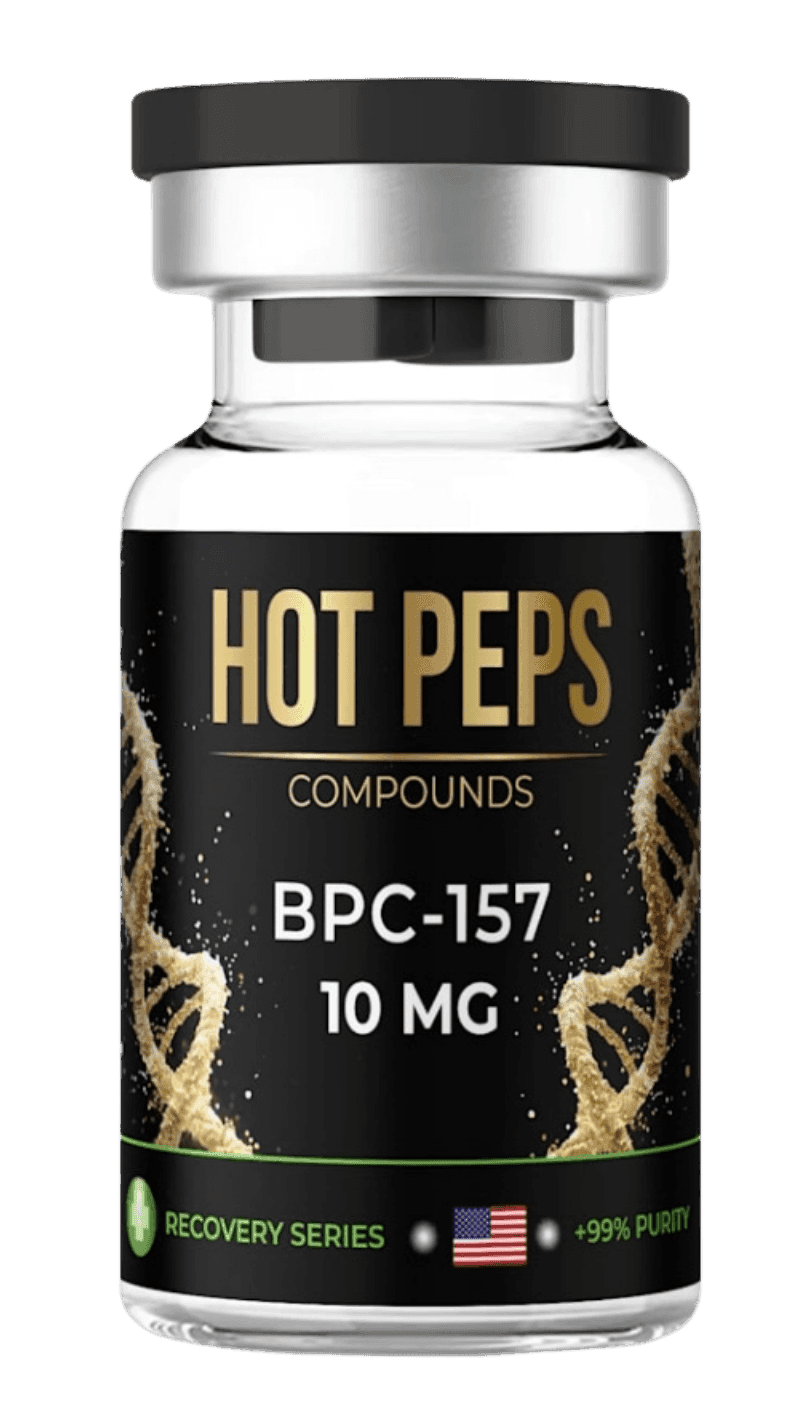
BPC-157
10mg · ≥99%
- A 2025 systematic review in the Orthopaedic Journal of Sports Medicine (Vasireddi et al.) analyzed 36 studies from 1993–2024, reporting that BPC-157 enhanced growth hormone receptor expression and multiple pathways involved in cell growth and angiogenesis in preclinical models.
- Research published in the Journal of Applied Physiology (Chang et al., 2011) demonstrated that BPC-157 accelerated the outgrowth of tendon explants and increased cell survival under oxidative stress conditions in rat Achilles tendon fibroblast cultures.
- A study in the Journal of Orthopaedic Research (Staresinic et al., 2003) examined transected rat Achilles tendons and observed improved biomechanical outcomes, functional indices, and collagen formation in BPC-157 treated groups.
- Research in Molecules (Chang et al., 2014) found that BPC-157 dose- and time-dependently increased growth hormone receptor expression in tendon fibroblasts at both mRNA and protein levels.
Research indicates BPC-157 may influence nitric oxide pathways, growth factor expression, and FAK-paxillin signaling involved in cell migration and tissue remodeling processes.
Key Citations- Vasireddi N, et al. Emerging Use of BPC-157 in Orthopaedic Sports Medicine: A Systematic Review. Orthop J Sports Med. 2025.PMID: 40756949
- Chang CH, et al. The promoting effect of pentadecapeptide BPC 157 on tendon healing. J Appl Physiol. 2011;110(3):774-780.PMID: 21030672
- Staresinic M, et al. Gastric pentadecapeptide BPC 157 accelerates healing of transected rat Achilles tendon. J Orthop Res. 2003;21(6):976-983.PMID: 14554208
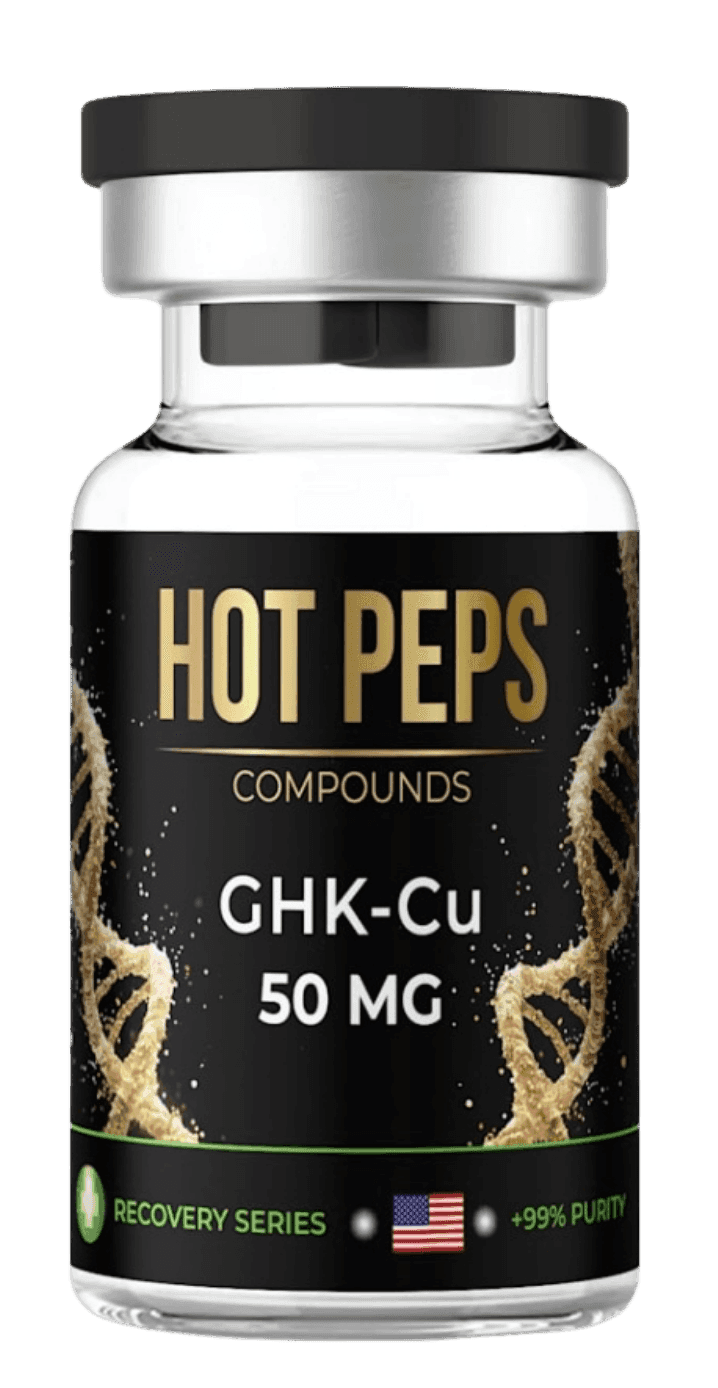
GHK-Cu
50mg · ≥98%
- A comprehensive review in the International Journal of Molecular Sciences (Pickart & Margolina, 2018) documented GHK-Cu's ability to stimulate collagen synthesis, promote blood vessel and nerve outgrowth, and increase glycosaminoglycan production in multiple tissue types.
- Research published in Archives of Facial Plastic Surgery (Pollard et al., 2005) demonstrated that GHK-Cu restored replicative vitality to irradiated fibroblasts and increased secretion of growth factors including bFGF and VEGF.
- Studies in wound healing models showed that collagen dressing incorporated with GHK increased collagen synthesis 9-fold in rat wound models.
- Gene profiling studies using the Broad Institute Connectivity Map revealed that GHK can up- and downregulate over 4,000 human genes, including those involved in antioxidant response, inflammation, and tissue remodeling.
GHK-Cu is proposed to function through copper delivery to cells, gene expression modulation, and activation of multiple signaling pathways involved in tissue repair and remodeling.
Key Citations- Pickart L, Margolina A. Regenerative and Protective Actions of the GHK-Cu Peptide. Int J Mol Sci. 2018;19(7):1987.PMID: PMC6073405
- Pollard JD, et al. Effects of Copper Tripeptide on the Growth of Fibroblasts. Arch Facial Plast Surg. 2005;7(1):27-31
- Pickart L. GHK Peptide as a Natural Modulator of Multiple Cellular Pathways in Skin Regeneration. Biomed Res Int. 2015.PMID: 26236730


2 compounds
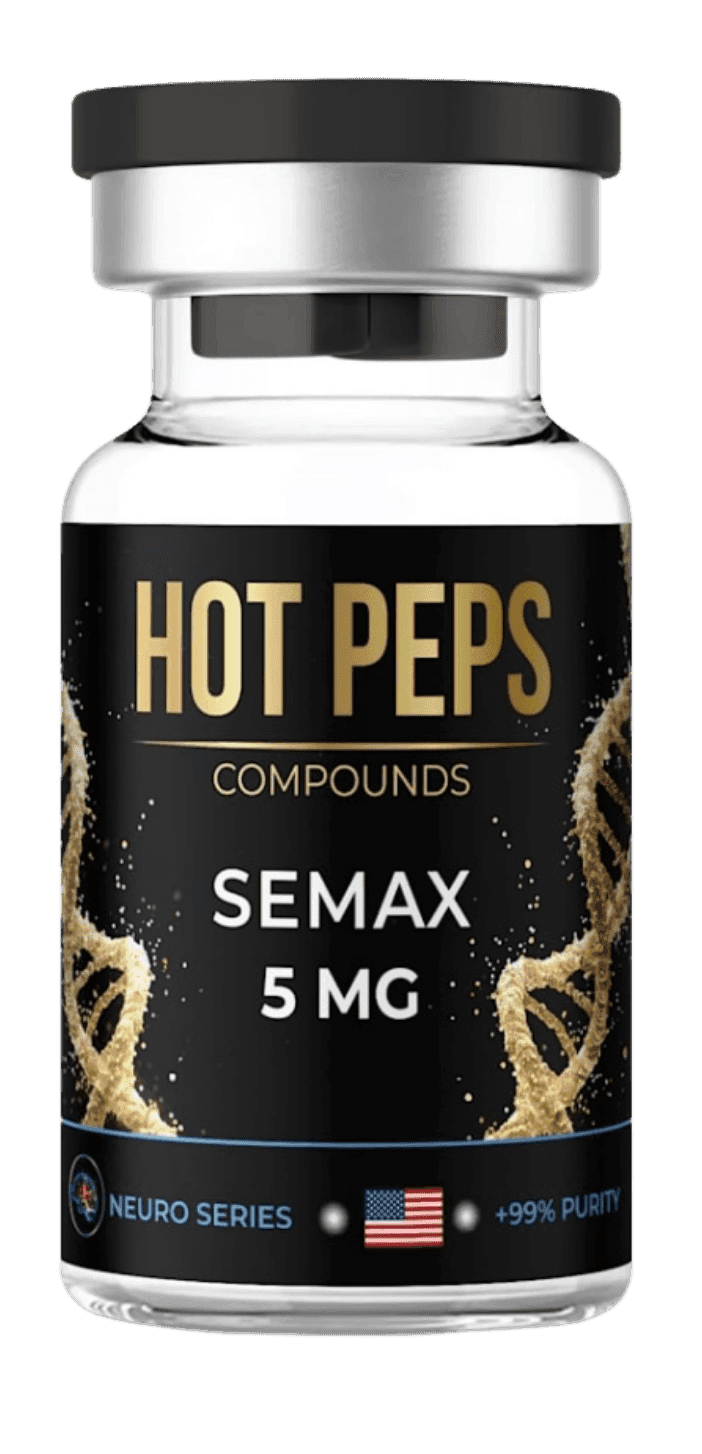
Semax
5mg · ≥99%
- Research published in Russian pharmacology journals documented that Semax increases BDNF (brain-derived neurotrophic factor) expression in rat hippocampus and cortex following intranasal administration.
- Studies have examined Semax's effects on attention, memory, and learning processes in various experimental models, with researchers noting modulation of dopaminergic and serotonergic systems.
- Research has documented Semax's favorable safety profile with minimal reported adverse effects in clinical observations conducted in Russia.
- Studies have examined potential neuroprotective properties in various experimental stress and injury models.
Semax is proposed to influence BDNF signaling and modulate melanocortin receptor activity without affecting cortisol levels. Research suggests involvement in attention and cognitive processing pathways.
Key Citations- Dolotov OV, et al. Semax, an analog of ACTH(4-10) with cognitive effects, regulates BDNF and trkB expression. Brain Res. 2006;1117(1):54-60
- Ashmarin IP, et al. Nootropic and analgesic effects of Semax. Zh Vyssh Nerv Deiat Im I P Pavlova. 2001;51(4):420-426
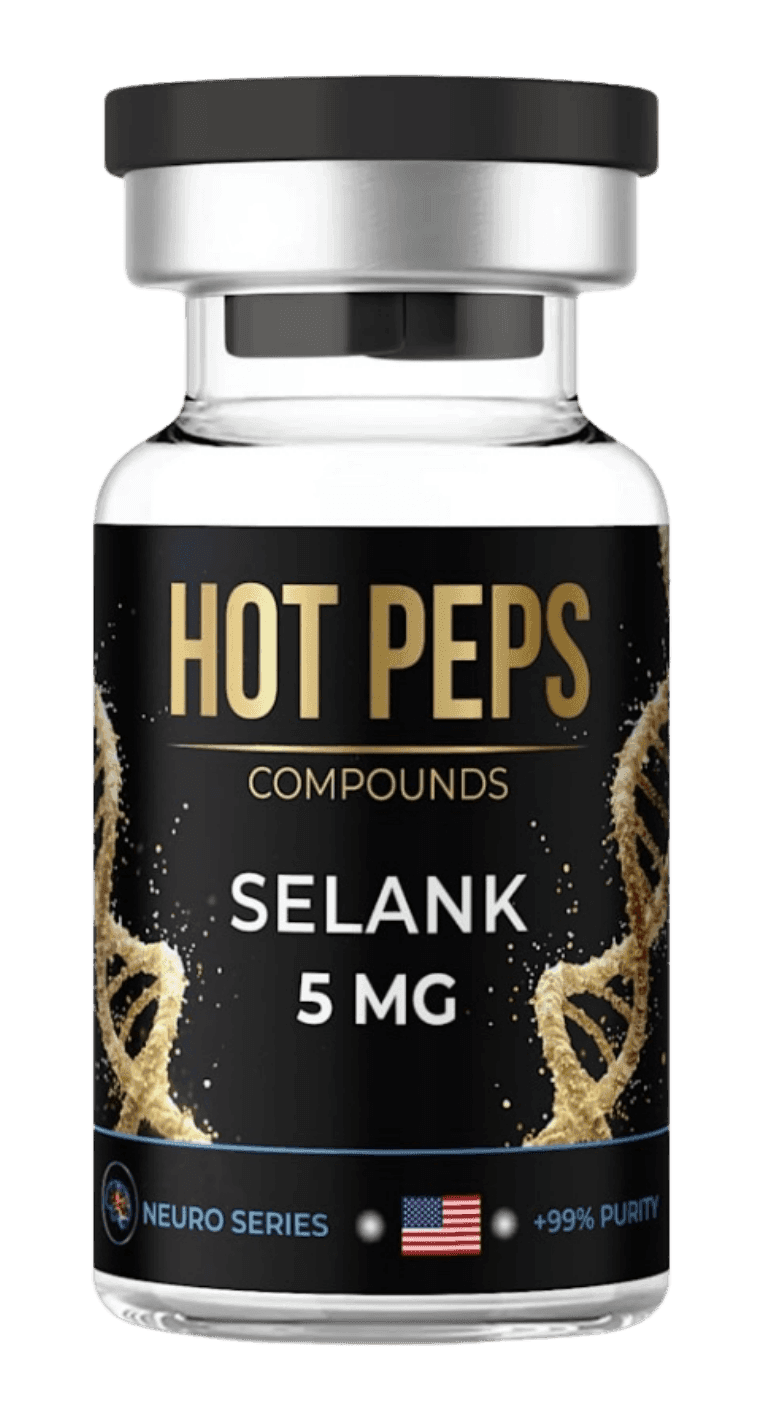
Selank
5mg · ≥99%
- Research published in Russian journals documented that Selank affects the expression of genes involved in GABAergic neurotransmission, which is associated with anxiety regulation.
- Studies have examined Selank's effects on anxiety-like behaviors in various animal models, with researchers noting modulation of stress-response pathways.
- Research has documented immunomodulatory properties, consistent with its derivation from the immunopeptide tuftsin.
- Clinical observations in Russia have examined Selank's effects on generalized anxiety and cognitive performance.
Selank is proposed to modulate GABAergic neurotransmission and influence IL-6 expression. Research suggests involvement in stress adaptation and immune system regulation pathways.
Key Citations- Kozlovskii II, Danchev ND. The optimizing action of the synthetic peptide Selank on a conditioned active avoidance reflex in rats. Neurosci Behav Physiol. 2003;33(7):639-643
- Seredenin SB, et al. Pharmacogenetic analysis of mechanisms of emotional stress. Ann Ist Super Sanita. 1990;26(1):81-84


3 compounds
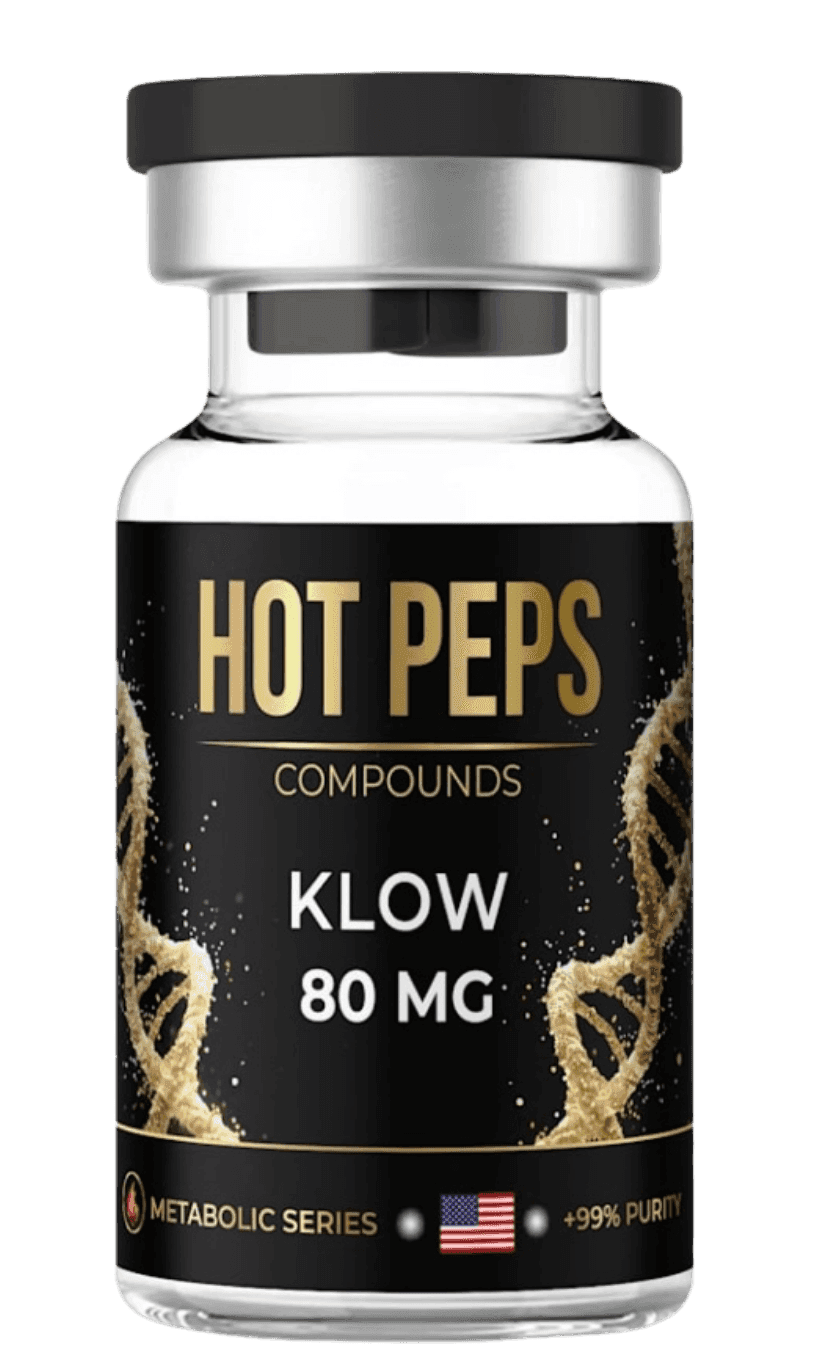
KLOW
80mg · ≥99%
- Reduction in caloric intake markers observed in study models.
- Improved metabolic biomarkers including fasting glucose response.
KLOW is studied for its interaction with appetite-regulating hormones and metabolic signaling pathways affecting energy balance.
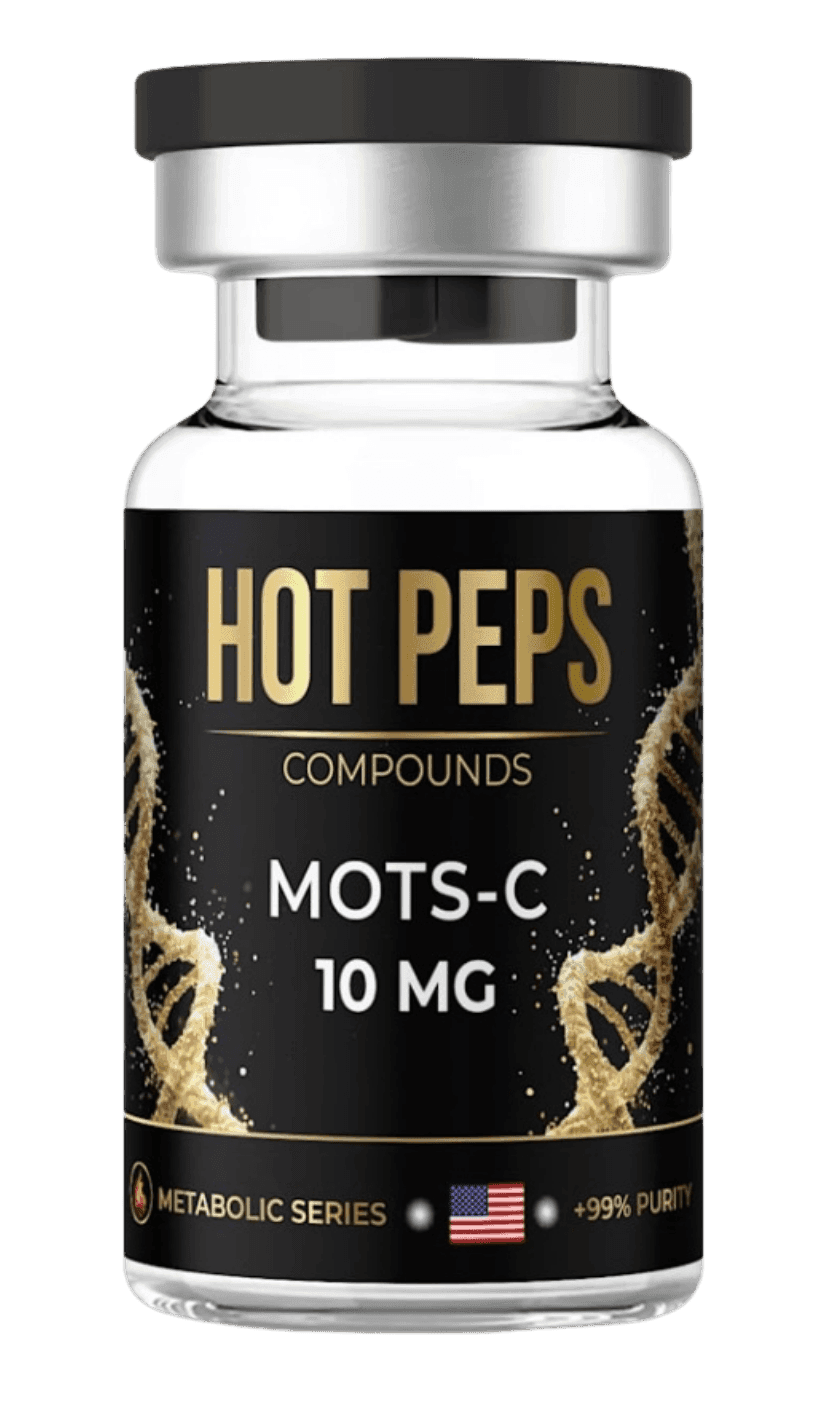
MOTS-C
10mg · ≥99%
- A landmark study published in Nature Communications (Reynolds et al., 2021) demonstrated that MOTS-c is an exercise-induced peptide that significantly enhanced physical performance in young, middle-aged, and old mice, with late-life treatment increasing physical capacity and healthspan markers.
- Research in Cell Metabolism (Lee et al., 2015) showed that MOTS-c targets skeletal muscle and enhances glucose metabolism, with implications for obesity, diabetes, and longevity research.
- Studies documented in Diabetes & Metabolism Journal showed that plasma MOTS-c levels decline with age in humans, and that exercise considerably raises endogenous MOTS-c levels in skeletal muscle and circulation.
- A 2023 review in Frontiers in Physiology documented MOTS-c's role in regulating stress adaptation, energy metabolism, insulin sensitivity, and aging-related physiological processes through the Folate-AICAR-AMPK pathway.
MOTS-c is proposed to act through the Folate-AICAR-AMPK pathway, translocating to the nucleus during metabolic stress to regulate expression of genes with antioxidant response elements.
Key Citations- Reynolds JC, et al. MOTS-c is an exercise-induced mitochondrial-encoded regulator of age-dependent physical decline. Nat Commun. 2021;12:470.PMID: 33473105
- Lee C, et al. The mitochondrial-derived peptide MOTS-c promotes metabolic homeostasis. Cell Metab. 2015;21(3):443-454.PMID: 25738459
- Mitochondria-derived peptide MOTS-c: effects and mechanisms related to stress, metabolism and aging.PMID: PMC9854231
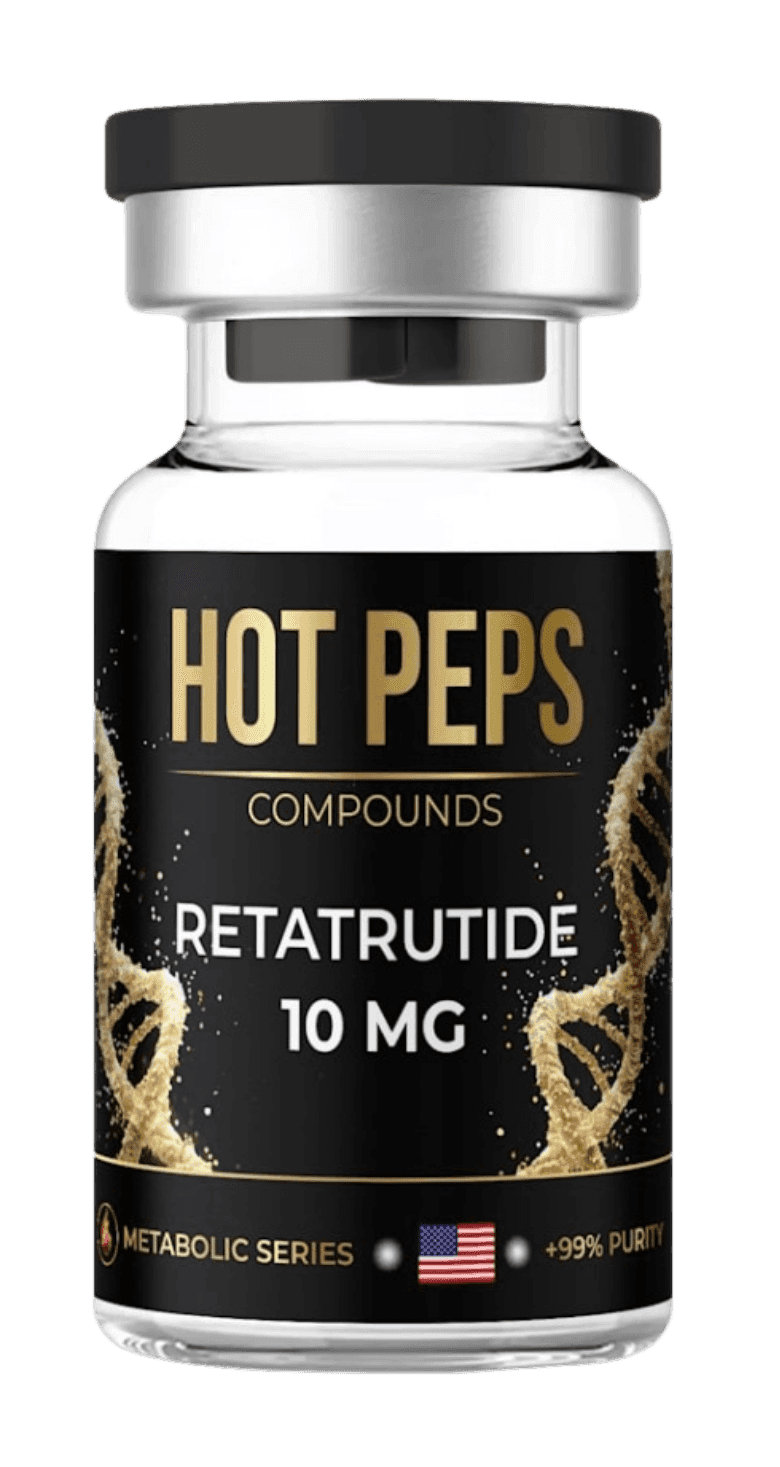
Retatrutide
10mg · ≥99%
- A Phase 2 clinical trial published in the New England Journal of Medicine (Jastreboff et al., 2023) examined retatrutide in adults with obesity over 48 weeks. Researchers observed dose-dependent changes in body weight and metabolic parameters across treatment groups.
- A meta-analysis published in PMC (2024) analyzing three randomized controlled trials encompassing 878 patients reported that retatrutide demonstrated statistically significant effects on body weight, BMI, waist circumference, fasting plasma glucose, and HbA1c compared to placebo.
- Research published in Nature Medicine (2024) examined retatrutide's effects on hepatic fat content in subjects with metabolic dysfunction-associated steatotic liver disease, documenting substantial changes in liver fat measurements at 24 weeks.
- Phase 3 TRIUMPH-4 trial results (December 2025) demonstrated significant improvements in both weight and pain scores in subjects with knee osteoarthritis over 68 weeks of treatment.
Triple agonist targeting GIP, GLP-1, and glucagon receptors. Research suggests these pathways are involved in glucose homeostasis, appetite regulation, energy expenditure, and lipid metabolism.
Key Citations- Jastreboff AM, et al. Triple-Hormone-Receptor Agonist Retatrutide for Obesity — A Phase 2 Trial. N Engl J Med. 2023;389:514-526.PMID: 37366315
- Efficacy and safety of retatrutide for obesity treatment: systematic review and meta-analysis.PMID: PMC12026077
- Nature Medicine. Triple hormone receptor agonist retatrutide for metabolic dysfunction-associated steatotic liver disease. 2024. doi:10.1038/s41591-024-03018-2


2 compounds
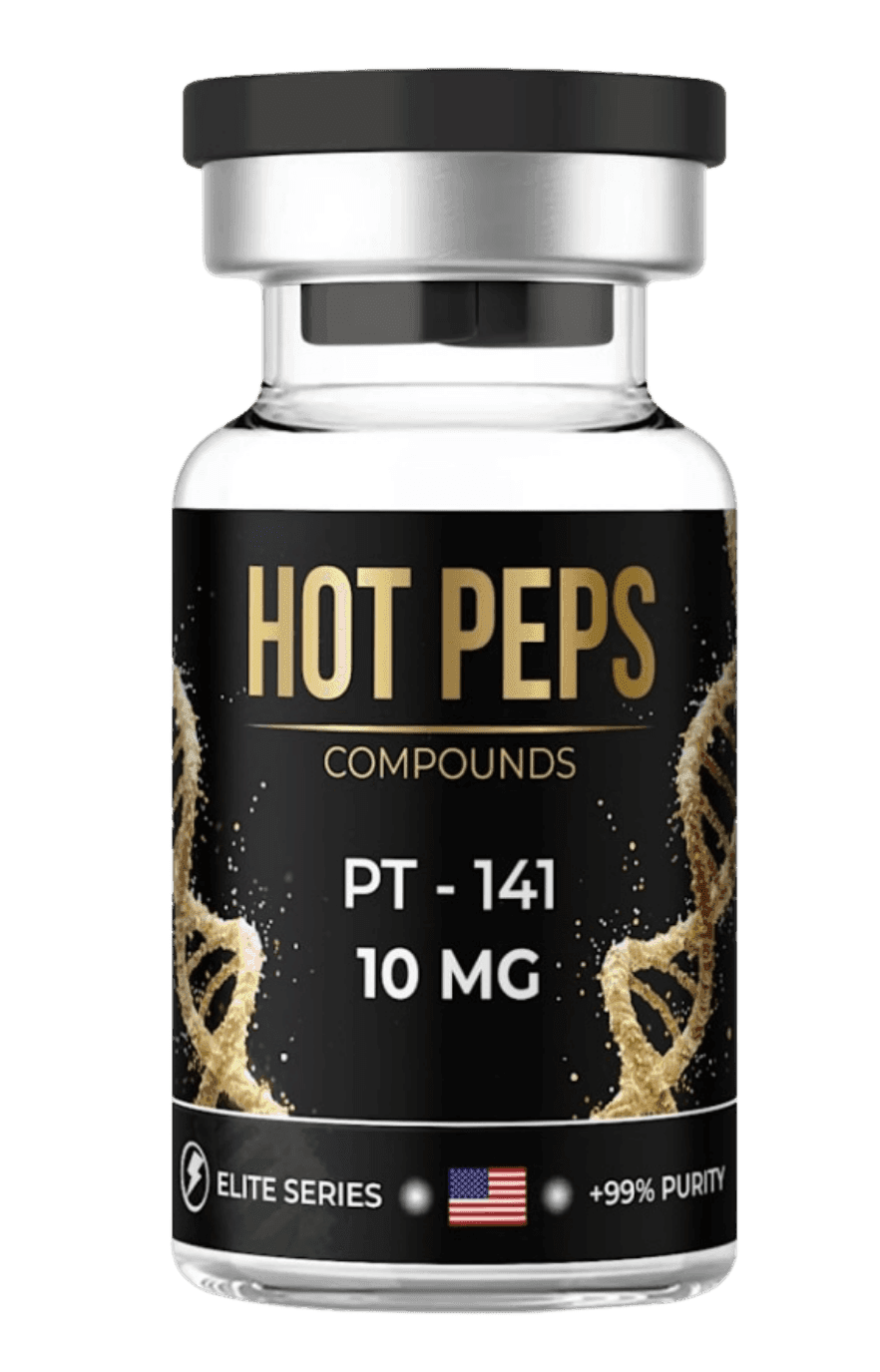
PT-141
10mg · ≥99%
- Two Phase 3 RECONNECT trials (Clayton et al., 2019) examined bremelanotide in premenopausal women, demonstrating statistically significant improvements in Female Sexual Function Index desire domain scores and Female Sexual Distress Scale scores compared to placebo over 24 weeks.
- A Phase 1 study (Diamond et al., 2004) in healthy males documented that PT-141 at doses >7mg produced statistically significant erectile responses compared to placebo, with onset occurring in approximately 30 minutes.
- Research in the Journal of Urology (Safarinejad & Hosseini, 2008) examined PT-141 in men who were non-responsive to sildenafil, finding that 34% of treated subjects reported significantly better outcomes compared to 9% with placebo.
- A 52-week open-label extension study demonstrated a favorable long-term safety profile with sustained efficacy in treating hypoactive sexual desire disorder.
PT-141 activates melanocortin receptors MC3R and MC4R in the central nervous system. Unlike PDE5 inhibitors that work peripherally, research suggests melanocortin agonists act through hypothalamic pathways involved in sexual response.
Key Citations- Clayton AH, et al. Bremelanotide for the Treatment of Hypoactive Sexual Desire Disorder: Two Randomized Phase 3 Trials. Obstet Gynecol. 2019;134(5):899-908.PMID: PMC6819021
- Molinoff PB, et al. PT-141: a melanocortin agonist for the treatment of sexual dysfunction. Ann N Y Acad Sci. 2003;994:96-102.PMID: 12851303
- Diamond LE, et al. Double-blind, placebo-controlled evaluation of PT-141 in healthy males and patients with erectile dysfunction. Int J Impot Res. 2004;16(1):51-59.PMID: 14963471
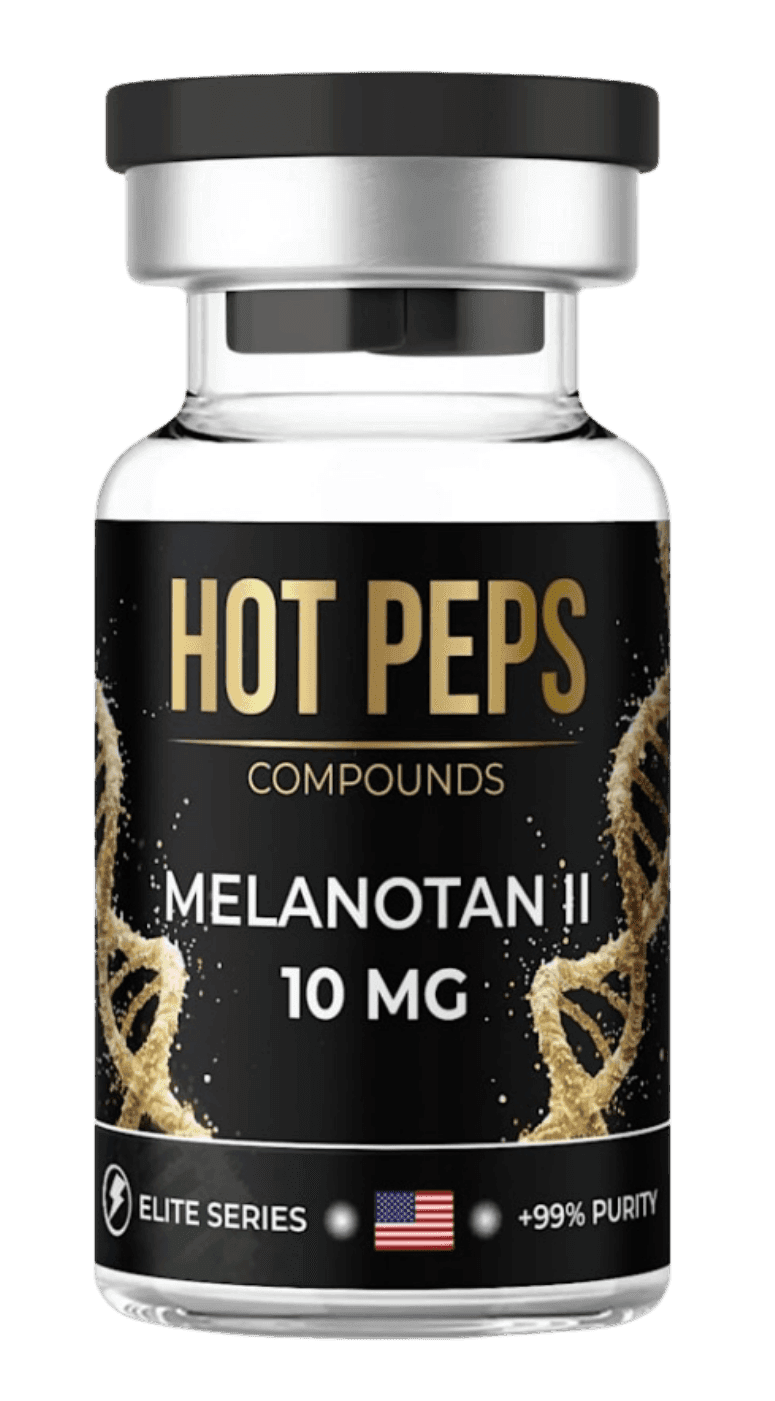
Melanotan II
10mg · ≥99%
- Research at the University of Arizona documented that Melanotan II activates melanocortin receptors MC1R through MC5R, with particular affinity for MC1R (involved in melanogenesis) and MC4R.
- Studies published in peptide research journals have documented dose-dependent increases in melanin production in human subjects following subcutaneous administration.
- Research has examined the pharmacokinetics and receptor binding profiles of Melanotan II compared to endogenous melanocyte-stimulating hormones.
- Studies have documented various physiological responses associated with melanocortin receptor activation.
Melanotan II activates melanocortin receptors, particularly MC1R (melanogenesis), MC3R, and MC4R. Research suggests these pathways are involved in pigmentation, appetite regulation, and sexual function.
Key Citations- Hadley ME, Dorr RT. Melanocortin peptide therapeutics: historical milestones, clinical studies and commercialization. Peptides. 2006;27(4):921-930
- Wessells H, et al. Melanocortin receptor agonists, penile erection, and sexual motivation. Int J Impot Res. 2000;12(Suppl 4):S74-S79
All statistics and findings referenced on this page reflect outcomes reported in published research studies. Products are sold strictly for in vitro research, laboratory use, and scientific investigation only. Not for human or veterinary use. Not intended to diagnose, treat, cure, or prevent any disease.